Nigeria Suspends New Federal Tertiary Institutions for Seven Years
A Strategic Pause to Fix a Strained System
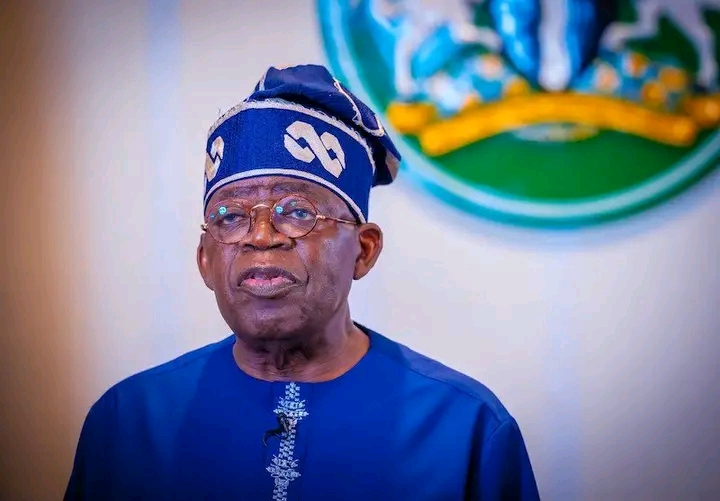
In a bold move aimed at revitalizing Nigeria’s higher education sector, the Federal Government has announced a seven-year suspension on the creation of new federal universities, polytechnics, and colleges of education. The decision, approved during the Federal Executive Council (FEC) meeting chaired by President Bola Tinubu, is intended to address the growing number of underutilized institutions, overstretched resources, and declining academic standards.Why the Freeze?
Education Minister Dr. Tunji Alausa, who presented the proposal, explained that the challenge facing Nigeria’s tertiary education is no longer access—but inefficiency. Many institutions suffer from poor infrastructure, inadequate staffing, and alarmingly low student enrollment.“This is a clear waste of government resources,” Alausa revealed, citing an example where one northern university has 1,200 staff serving fewer than 800 students.
Shocking Enrollment Stats
The numbers paint a troubling picture:| Statistic | Details |
|---|---|
| 199 universities | Received fewer than 100 applications via JAMB last year |
| 34 universities | Had zero applications |
| Many polytechnics and colleges of education | Reported similarly low interest |
| 64 colleges | Received no applications at all |
Alausa warned that unchecked expansion of poorly subscribed institutions could lead to poorly trained graduates, damage the reputation of Nigerian degrees abroad, and worsen unemployment.
Focus on Quality Over Quantity
The moratorium is designed to redirect government efforts toward improving existing institutions. This includes:- Upgrading facilities
- Hiring qualified academic staff
- Expanding student capacity
“If we want to improve quality and not be a laughing stock globally, the pragmatic step is to pause the establishment of new federal institutions,” Alausa said.
Exceptions: Nine New Private Universities Approved
Interestingly, despite the freeze, FEC approved nine new private universities. These are private institutions whose applications had been pending for up to six years. After a rigorous evaluation by the National Universities Commission (NUC), they were deemed fit to operate.“When we assumed office, there were 551 applications for private universities. We deactivated over 350 dormant ones and set stricter guidelines. Of the 79 active cases, nine met the criteria,” Alausa explained.
He added that billions of naira had already been invested in infrastructure for these approved institutions.
Extending the Moratorium to Private Institutions
The freeze isn’t limited to federal schools. The government is also halting approvals for new private polytechnics and colleges of education to prevent further under-enrollment and resource dilution.A Reset for Nigerian Education
Alausa praised President Tinubu’s support for the reform, calling it a “reset button” for Nigeria’s tertiary education system.“Mr. President believes fervently in education and has given us the mandate to ensure every Nigerian has access to the highest quality of education comparable to anywhere in the world,” he said.